
Connection is the absolute key to success in life particularly in the classroom. A strong connection between teacher and student is crucial in the Japanese classroom. It’s about more than just grammar and vocab. A teacher can create a safe space for students to step up. This makes them more likely to have a go and get into the language without the fear of failure.

This trust is especially important. You’re trying to wrap your head around the tricky bits of Japanese politeness. You also need to understand how things work culturally. There’s a bunch of unspoken rules and ways of speaking that can leave you feeling lost in translation. With a teacher who you feel comfortable asking questions, the pressure is off. No matter how silly, it takes the pressure off. When the teacher’s a sort who’s there to guide you, the whole learning thing becomes way more enjoyable. They are there to guide you, not judge you. It’s not just about rote learning and memorising endless lists of kanji. It’s about building up your confidence, getting a real appreciation for Japanese culture. Try doing origami clubs at lunchtime with students. Through this, you will have a chance to get to know your students in small groups. You will build strong connections.
In the world of Japanese education it can be challenging to build strong connections with students. The education system in Japan heavily emphasizes respect. Academic rigor is also highly valued. This task is overwhelming. Fostering positive teacher-student relationships is not just a feel-good practice. It’s a powerful tool for maximizing learning and student well-being.
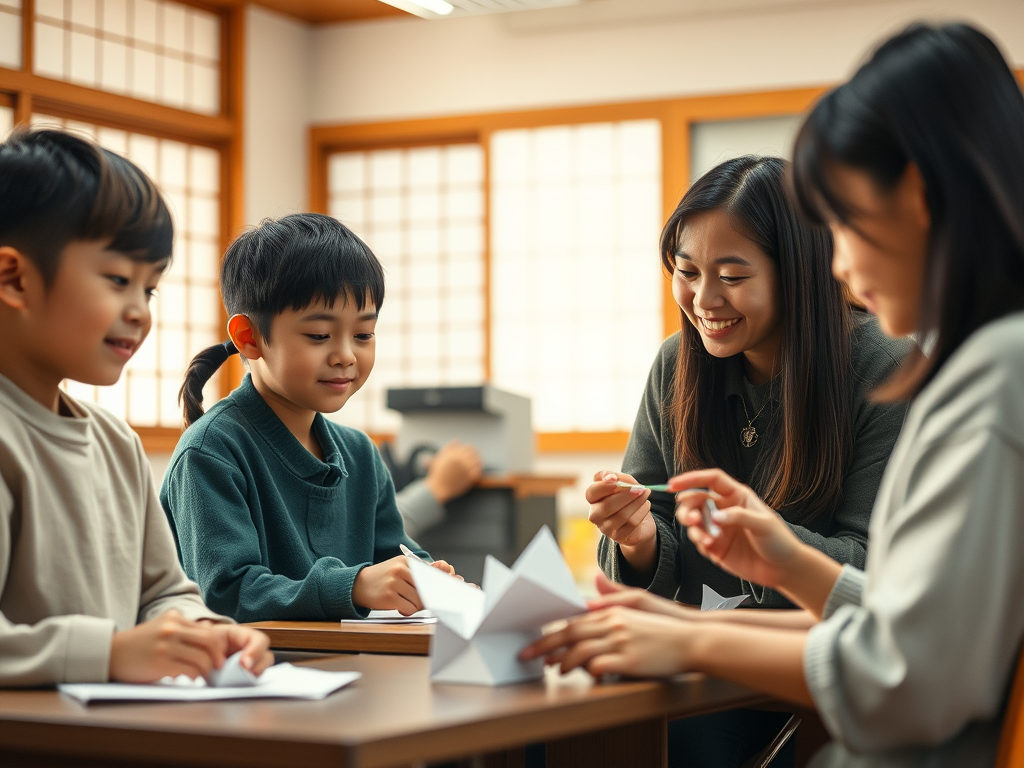
Here’s why connecting with students is crucial for teachers in the Japanese classroom:
1. Unlocking Student Potential: A strong student-teacher bond creates a safe and supportive environment. Students feel comfortable taking risks. They also feel comfortable asking questions and participating actively. This fosters engagement and motivation, pushing them to reach their full potential.
2. Building Trust and Respect: Japanese culture emphasizes respect for authority figures. Building connections allows teachers to move beyond this traditional dynamic and create a space for mutual trust and respect. This fosters a more positive learning environment. It also allows teachers to handle student concerns or struggles more effectively.
3. Individualized Learning: Knowing your students as individuals goes beyond memorizing names. It’s about understanding their interests, strengths, and weaknesses. This allows teachers to tailor their teaching techniques to cater to different learning styles. They can also support students who are struggling. They can also support students who are struggling.
4. Boosting Confidence and Self-Esteem: Positive interactions with teachers can significantly impact students’ confidence and self-esteem. Teachers empower students by acknowledging their achievements. They also offer encouragement. This helps students take ownership of their learning and believe in their abilities.
Connecting Doesn’t Mean Disrupting Hierarchy: It’s important to remember that connecting with students doesn’t undermine respect within the Japanese classroom. Building connections with students can coexist with maintaining a respectful learning environment.

Here are some ways to build connections while maintaining a respectful learning environment:
- Small gestures go a long way: Remember birthdays, acknowledge achievements outside of academics, and express genuine interest in their lives.
- Create opportunities for informal interaction: Host club activities. Have casual conversations before class. Organize school events where teachers and students can connect in a relaxed setting.
- Make learning relevant: Incorporate topics and projects that connect to their interests and future aspirations. This shows you care about their overall development.
- Emphasize collaborative learning: Encourage teamwork and peer-to-peer learning. This fosters communication, builds relationships amongst students, and allows the teacher to connect with multiple students at once.
Building strong connections with students requires time, effort, and a genuine wish to understand them. Nonetheless, the rewards are immense. By fostering positive teacher-student relationships, you create a classroom environment that promotes academic success. It also ensures well-being and fosters a love for lifelong learning.
If you want to make your Origami club better (and easier), promote an Origami Club using my editable Origami poster. You can buy it from my TpT shop. It includes a beautiful poster with a template link to Canva. You can edit your name, the day, time and location too. Enjoy!
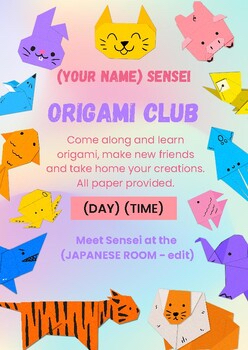
Click here to Download FREE right now.
If you would like some cute Origami videos to get your club started, look at the simple classroom fun videos. They are available on my YouTube channel. They can get you started easily.
An origami samurai hat is also sometimes called a samurai helmet. It is a fun and easy origami model. You can fold it from a single sheet of paper. It’s a great introduction to origami for beginners and kids.
The finished product resembles a traditional samurai helmet, with a pointed top and a slight brim around the bottom. There are a few variations on how to fold it. All are simple. They don’t need any fancy cuts or tools.
Here are some key points about the origami samurai hat:
- Easy to make: This is a great project for beginners or anyone looking for a quick and fun origami project.
- Requires one sheet of paper: No fancy materials needed, just a square piece of paper.
- Looks like a samurai helmet: The finished product is instantly recognizable as a samurai helmet. This makes it a fun way to learn about Japanese culture.
- Can be worn: Depending on the size of the paper you use, the hat can actually be worn!
If you’re interested in making your own origami samurai hat watch my video below.



Leave a Reply