
Practical Parent’s Guide for teachers
Dear Teachers,
I am pleased to share this blog post to help you advise parents of children learning Japanese. The role parents play in supporting language acquisition cannot be understated.
By engaging parents, we empower them to become active participants in their child’s language journey. This can lead to increased motivation, faster progress, and a deeper appreciation for the language and culture. When parents are informed and involved, we create a collaborative environment that benefits everyone, making the classroom experience more fulfilling and effective for our young learners. We encourage you to share this post with parents and to continue fostering a strong partnership between home and school.

The below is written with a parent audience in mind for you.
Motivating Young Minds: Inspiring a Love for Japanese in Your Child
As parents, we know how quickly our children’s interests can change. One day they’re passionate about dinosaurs, the next, it’s all about skateboarding. But when it comes to learning a new language like Japanese, sustaining enthusiasm is key to long-term success. If your child is studying Japanese, here’s what you need to know about fostering their motivation.
Why Learning Japanese is a Gift for Your Child
Before we dive into motivation strategies, let’s revisit why Japanese is a valuable skill for your child:
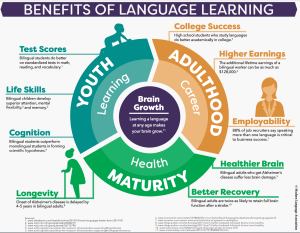
- Cognitive Boost: Learning a new language improves memory, problem-solving, and critical thinking skills and strengthens first language learning and literacy.
- Cultural Awareness: Japanese opens a window into a rich and fascinating culture, increase empathy and see different perspectives by making new friends!
- Travel and Career Opportunities: Even basic Japanese can make a holiday to Japan more enjoyable. You can connect to the locals and engage more deeply. Japanese can unlock exciting career paths in fields like media, technology, and diplomacy.

Navigating Changing Motivations
Your child’s motivations for learning Japanese might shift as they develop new friendships, discover new interests, and face academic pressures. Here’s what you might observe:
- The Enthusiastic Beginner: Initially, your child might be excited by the novelty of Japanese. They’ll love learning basic phrases, writing hiragana, and discovering Japanese pop culture.
- The Plateau: As the language gets more complex, your child might experience a dip in motivation. They might compare themselves to others, feel discouraged by mistakes, or simply lose interest.
- The Renewed Purpose: With the right support, your child can rediscover their love for Japanese. This might come from a sense of accomplishment, a connection with a Japanese pen pal, or simply the joy of expressing themselves in a new way.

Practical Tips to Boost Motivation
Here are some actionable tips to keep the Japanese language learning journey exciting:
- Make it fun and relevant.
- Find Japanese games, apps, or cartoons that your child enjoys.
- Cook Japanese food together and learn about the ingredients and traditions.
- Explore Japanese music, manga, or anime.
- Play Japanese Games: Explore games like karuta (a traditional card game), shiritori (a word chain game), or even video games with Japanese language options. Buy yourself a few Kendama online and learn how to do tricks with this fun Japanese yoyo.
- Cook Japanese Food: Learn to make sushi, ramen, or okonomiyaki together, and discuss the ingredients and cultural significance. The school and local libraries have free to borrow Japanese Cook books in English and Japanese.
- Immerse in Pop Culture: Watch anime like “My Neighbour Totoro” or “Spirited Away” with Japanese audio and subtitles, listen to J-pop music, or read manga (Japanese comics) together. Try Netflix or Crunchy Roll or YouTube. For music search Japanese pop on Spotify.
- Celebrate Every Success: Praise their effort, not just their achievements. Create a chart to track their progress. Reward them with small Japanese-themed treats like Pocky snacks or Japanese stickers or stamps in a Japanese notebook from Daiso.
- Connect with the Culture: Look for local Japanese cultural events like Japanese festivals or Japanese Gardens. Encourage them to write to their pen pal once a month. Visit a Japanese restaurant or shop together and try ordering in Japanese.
- Set Achievable Goals: Help your child break down their learning into manageable steps. Focus on short-term, specific goals (e.g., “Learn the greetings”). Track their progress and adjust goals as needed.
- Partner with the Teacher: Talk to your child’s Japanese teacher regularly. Ask about their teaching methods and how you can support them at home. Discuss any concerns you have about your child’s motivation.
- Foster Independence: Encourage your child to take ownership of their learning. Help them create a study schedule and stick to it. Let them choose some of the resources they use such as apps, video, library books and even karaoke or anime. (e.g., Education Perfect, Duolingo, Memrise, JapanesePod101).

為せば成る 為さねば成らぬ何事も 成らぬは人の為さぬなりけり
From Japanese Proverbs
[by 上杉鷹山 (Yōzan Uesugi), a powerful Japanese feudal lord]
Romanization: Naseba naru, nasaneba naranu nanigoto mo,
naranu wa hito no nasanu nari keri
Meaning: You can accomplish anything by simply doing it. Nothing will get done unless you do it. If something was not accomplished, that’s because no one did it.Most things in this world can be done with a strong will and ceaseless effort.
As a similar English proverb also says:
“Where there is a will, there is a way.”
Real-Life Success Stories: Parents Share Their Strategies
Don’t just take our word for it – here’s how other parents have successfully motivated their children:
- The “Anime Club” Family: “My son was losing interest in Japanese until we started having weekly ‘anime club’ nights. We’d watch a show together in Japanese with English subtitles, discuss the characters and plot, and even try to learn some of the songs. It made learning fun and relevant to his interests.” – Sarah T.
- The Pen Pal Connection: “My daughter’s motivation skyrocketed when she found a pen pal in Japan through school. Talking with her about it was a huge factor in her increased motivation. They exchanged emails, photos, and even small gifts. It gave her a real reason to practice her Japanese and learn about everyday life in another country.” – David W.
- Cultural Immersion Adventure: “We started exploring the local Japanese community, visiting shops and restaurants and festivals. My kids loved trying new foods, learning to read the signs, and even practicing their Japanese with the shopkeepers. It turned learning into an adventure!” – Emily K.
Let these stories inspire you to find what works for your child. Remember, motivation is personal and can come from unexpected places.
The Parent’s Role: A Supportive Guide
Your role is to be a cheerleader, a coach, and a co-learner. Your enthusiasm for their language journey will be contagious. Show interest in what they’re learning, ask them to teach you a few phrases, and create a positive, encouraging environment at home.
Learning Japanese is a marathon, not a sprint. By focusing on fun, relevance, and connection, you can help your child cultivate a lifelong love for this beautiful language and culture.

Teacher Talk

- “This blog post and the linked product was a fantastic resource to share with parents at our Back to School Night. It sparked a really positive discussion about the importance of family involvement in language learning. Many parents were surprised to learn about the different phases of motivation and found the practical tips incredibly helpful. It’s already had a noticeable impact on student engagement and enthusiasm in the classroom.” – Mr. K, Japanese Language Teacher
- “I printed out copies of the product and included them in my welcome packet for new parents. It’s a great way to set expectations early on and establish a collaborative approach to language learning. The testimonials from other parents have been especially valuable in demonstrating that everyone faces challenges, but with the right support, success is achievable. It’s a fantastic tool for building a strong home-school partnership.” – Ms. T, Japanese Language Teacher
- “Sharing this parent guide with parents has been a game-changer for my Japanese language classroom. It’s opened up valuable conversations about motivation, provided parents with practical strategies, and helped them understand the different phases learners go through. The real-life examples have been particularly inspiring, showing parents what’s possible and giving them ideas to try at home. This has strengthened the connection between home and school, creating a supportive team around each student. I highly recommend this resource to any teacher looking to empower parents and boost student engagement!” – Mrs. S, Japanese Language Teacher

What can you do as a teacher to help parents engage in their child’s learning?
Empowering the next generation of global citizens starts with you. As a Japanese language educator, you’re not just teaching vocabulary and grammar; you’re opening doors to a rich culture, unique perspectives, and lifelong connections. Your passion and dedication ignite curiosity and foster a love for language learning in your students. The impact you make extends far beyond the classroom, shaping future leaders, innovators, and cultural ambassadors. Every lesson, every conversation, and every cultural exchange is a step towards a more connected and understanding world. Embrace the challenges, celebrate the successes, and know that your work is truly invaluable.
PROMOTION
Empower Parents, Elevate Learning: A Teacher’s Guide to Supporting Japanese Language Acquisition at Home (Click image to preview or purchase)
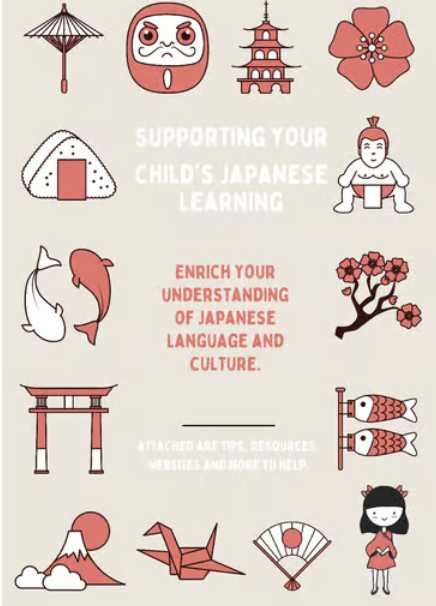
Maximise student learning with these 10 proven tips for engaging parents in Japanese language education. Designed for busy educators, this resource provides simple yet effective strategies that parents can easily incorporate into their daily routines. Enhance communication and create a supportive environment where students thrive in Japanese language acquisition. (Click on the image to preview or purchase).
This product’s Benefits for Teachers:
- Saves Time: Provides a ready-made resource to share with parents, eliminating the need to create your own materials.
- Enhances Communication: Facilitates a clear and consistent message about how parents can support their child’s Japanese language learning at home.
- Fosters Collaboration: Encourages a partnership between teachers and parents, leading to more effective language learning for students.
- Empowers Parents: Equips parents with practical, easy-to-implement strategies that they can use immediately.
- Improves Student Outcomes: Research shows that parental involvement in language learning significantly improves student achievement and motivation.
- Demonstrates Expertise: Showcases the teacher’s commitment to student success and understanding of effective language acquisition practices.
This product’s Benefits for Parents (and indirectly for Teachers):
Strengthens Family Bonds: Provides opportunities for families to connect and learn together.What You’ll Get:
Builds Confidence: Provides parents with the tools and knowledge they need to feel more confident supporting their child’s Japanese language development.
Increases Engagement: Offers fun and engaging activities that make language learning a positive experience for both children and parents.
Creates Consistency: Encourages a consistent approach to language learning between home and school.
- 10 actionable tips specifically tailored for parents to support Japanese language learning
- Practical ideas for integrating Japanese into everyday activities at home
- Strategies for building vocabulary, grammar, and cultural understanding
- Guidance on fostering independence, motivation, and a love of learning Japanese
- Tips for establishing effective communication and collaboration between parents and teachers
Why This Guide is Essential:
- Empower Parents: Equip parents with the knowledge and confidence to actively support their child’s language development.
- Enhance Student Learning: Foster a collaborative environment where home and school work together to maximize learning outcomes.
- Bridge the Gap: Facilitate clear communication and understanding between parents and teachers regarding language learning goals and strategies.
- Promote Cultural Awareness: Encourage families to explore and appreciate Japanese culture together.
Invest in your students’ success by empowering their parents!
Preview or purchase your copy now HERE

Thank you for reading. Subscribe to get your weekly blog.



 Japanese Sensei Garden
Leave a comment