
The process of teaching Japanese in schools is like pedaling a bike ahead. It requires constant effort and momentum. The reward is the satisfaction of seeing students progress and reach their full potential. Obstacles are everywhere in teaching, especially in the Japanese class. But we can’t let them get away. Just go around them to find unlimited success. I love to share but it is not always easy. That is why I started this blog to share as much as I want, when I want. Keep reading below …

The road of a teacher can be incredibly rewarding, but it also comes with its share of bumps. Here are some strategies to navigate those roadblocks and keep your teaching career thriving:
1. Self-Care is Your Superpower:
- Put yourself first: Schedule breaks, get enough rest. Prioritise and engage in activities that bring you joy. A well-rested and happy teacher is a more effective teacher.
- Set boundaries: Create clear lines between work and personal life. Don’t feel pressured to be available 24/7.
2. Embrace the Power of Community:
- Connect with colleagues: Build a support network of fellow educators. Share experiences, ask for help when needed, and celebrate successes together.
- Seek mentors: Find experienced teachers who can offer guidance and support.
3. Continuous Learning is Key:
- Professional development: Learning your skills sharp by attending workshops, conferences, or online courses.
- Embrace new ideas: Don’t be afraid to experiment with different teaching techniques and resources.
4. Manage Your Time Effectively:
- Prioritize tasks: Focus on the most important things first and delegate or remove non-essential tasks.
- Utilize planning periods: Use this dedicated time for lesson planning, grading, or other school-related tasks.
5. Communicate and Advocate:
- Open communication: Keep open and honest communication with parents, administrators, and colleagues.
- Advocate for change: If you see areas for improvement in the school system, don’t be afraid to voice your concerns. Advocate for change.
6. Recognize When It’s Time for a Change:
- Burnout is real: Pay attention to signs of stress and burnout.
- Explore other options: Teaching offers a variety of career paths. Consider moving to a different grade level, topic area, or school environment.
Bonus Tip: Seek Inspiration from others:

Many teachers like me, prioritise teacher life and have innovative approaches to education. Research and learn from these examples to improve your own practice. I share many of these at no cost in my TpT store. I will be working on a free resource library on this site soon.
Remember, you are not alone in this journey! By implementing these strategies, you can navigate challenges, find fulfillment, and have a long and successful teaching career.
For more you can see all of my creations in my TpT store below. But keep reading for a deep dive in my blog post below the image ⬇️
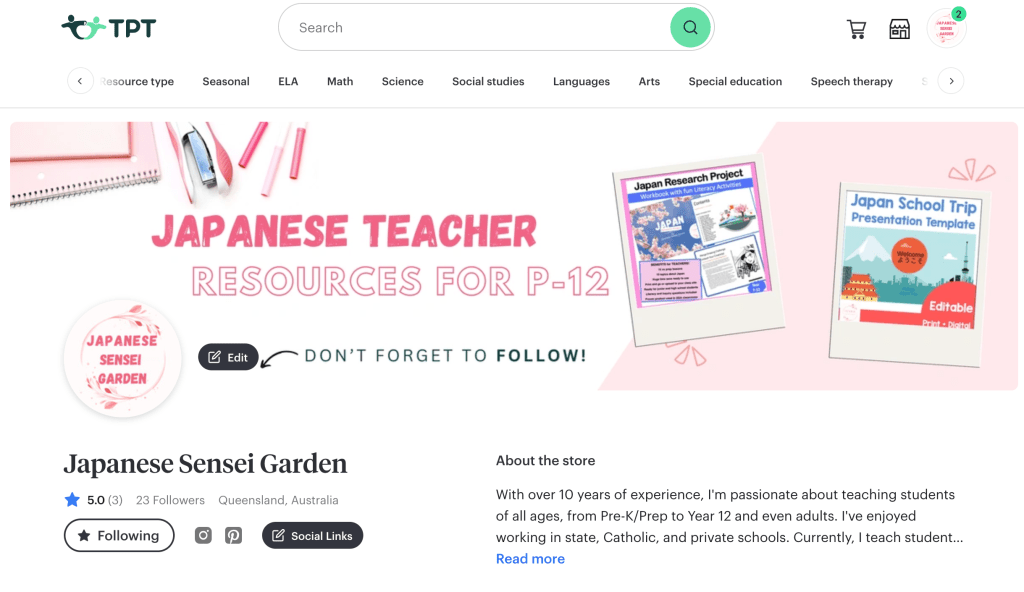
Click HERE to see my store with paid and free products to save you time in the Japanese classroom.
Deep dive…
So you’ve taken on the awesome challenge of teaching Japanese in your school! Buckle up. It’s going to be a wild ride filled with fascinating characters, rich cultural connections, and, yes, even a few hurdles. But fear not, intrepid educator! This isn’t just about memorizing endless kanji. We’re on a mission to spark a love for the language. We aim to open doors to a whole new world for your students.
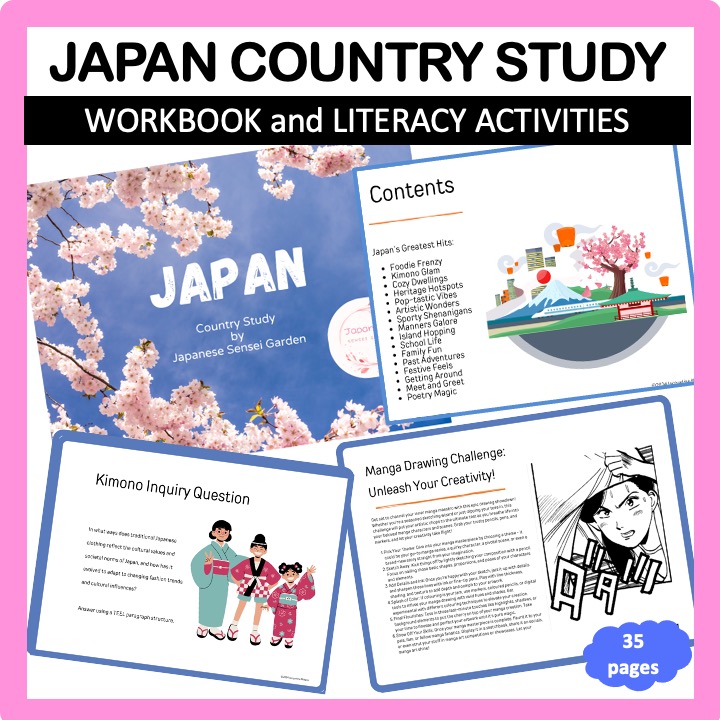
Let’s face it, Japanese can be daunting at first glance. The writing system alone throws a curveball with its mix of alphabets and ideograms. But here’s the secret weapon in your arsenal: your student’s natural curiosity and love for a challenge. Here are some ways to transform those obstacles into stepping stones on your Japanese language adventure. Try this amazing book about Japan full of fun learning and activities. Use as a unit or download, or even print out.
Click HERE to buy this fun and engaging book for your students.
Embrace the Power of Play: Ditch the traditional textbook grind and inject some fun into your lessons. Games are a fantastic way to solidify learning without feeling like homework. Try incorporating classics like charades or Pictionary with Japanese vocabulary. Flashcard games like “Go Fish” or “Memory” can become lively vocabulary drills. Apps and online games can also be a great resource for interactive learning. The key is to keep it engaging and lighthearted.
Unleash the Inner Anime Fan: Anime and Japanese pop culture are global phenomena, and for good reason! Tap into this pre-existing interest by incorporating short anime clips or popular songs into your lessons. Use them as conversation starters, for comprehension exercises, or even as a springboard for cultural discussions. Imagine the excitement of deciphering a favorite song lyric for the first time!
Make it Real-World Relevant: Connect your lessons to the student’s lives. Talk about Japanese food, fashion, or music. Explore virtual tours of Japanese cities or landmarks. Is there a local Japanese restaurant or cultural center? Organize a field trip or invite a guest speaker to share their experiences. The more relatable you make the language, the more invested your students will become.
Technology to the Rescue: Technology can be your best friend in the classroom. Use online language learning platforms that offer interactive exercises, personalized learning paths, and even gamified elements. Look for apps that help with pronunciation or kanji recognition. Encourage students to explore educational Youtube channels or podcasts in Japanese – there’s a wealth of content out there!
Building Confidence Brick by Brick: Learning a new language is all about making mistakes. Foster a positive classroom environment where experimentation is encouraged and errors are seen as opportunities to learn. Celebrate every small victory, whether it’s mastering a new pronunciation or finally remembering a tricky kanji. The more confident your students feel, the more motivated they’ll be to push themselves further.
Peer Power in Action: Encourage collaboration among your students. Group projects and activities can be a great way to motivate and support each other. Pair stronger students with those who might need a little extra help. The sense of camaraderie and shared learning can be truly empowering.
Don’t Forget the Fun Factor: Learning a language is a journey, and sometimes it’s a marathon, not a sprint. Keep things light and enjoyable. Throw in some cultural trivia quizzes. Try to celebrate Japanese holidays in class, or have a Japanese movie afternoon (with subtitles, of course!). The more you make it fun, the more likely your students are to stick with it long term.
If teaching was easy everyone would do it!
J. Mikami 2024
Teaching Japanese can be a uniquely rewarding experience. Remember, you’re not just teaching a language – you’re opening a window to a rich and vibrant culture. With a little creativity, enthusiasm, and these tips in your toolbox, you can transform those first obstacles. They become stepping stones on a path to success for both you and your students. So, ganbatte (do your best)! The world of Japanese language and culture awaits!
So are you ready to fly! Be sure to watch the video. It shows you the amazing Japan Study book I made. This book will help keep you happy and your students happier! No Prep!!!
WATCH THE VIDEO preview below.



 Japanese Sensei Garden
Leave a comment