

REFUELING the Flame: Prioritising Teacher Wellbeing in a Demanding Profession
Japanese teachers and indeed all teachers are the backbone of our education system, nurturing young minds and shaping the future. But the dedication and passion required often come at a cost. Long hours, demanding workloads, and emotional investment can lead to stress, burnout, and ultimately, a decline in teacher wellbeing.
This isn’t just a personal concern; it directly impacts student learning. Studies show a clear link between a happy, healthy teacher and a positive learning environment for students.
So, how can we guarantee educators are thriving, not just surviving? Here are some key strategies to focus on Japanese teacher wellbeing:

Human first, teacher second!
1. Self-Care Isn’t Selfish:
The first step lies with teachers themselves. We all need to prioritise self-care. Schedule time for activities you enjoy, whether it’s reading a book, taking a walk, or spending time with loved ones. Small acts of self-compassion go a long way.
2. The Power of Community:
Teachers are not alone in this journey. Building a strong support system with colleagues can be incredibly valuable. Sharing experiences, offering encouragement, and simply having someone to vent to can make a world of difference. Consider creating a dedicated space for teachers to connect and de-stress.
3. The Ripple Effect of School Culture:
School leadership plays a crucial role in fostering a culture that prioritizes teacher wellbeing. This can involve flexible work arrangements, streamlined administrative tasks, and professional development opportunities focused on stress management and resilience building.
4. Time Management is Key:
Feeling overwhelmed often stems from a lack of control over time. Implement strategies like lesson planning templates. Set clear boundaries between work and personal life. Effectively utilise planning periods to regain some lost ground.
5. Find Inspiration Around the World:
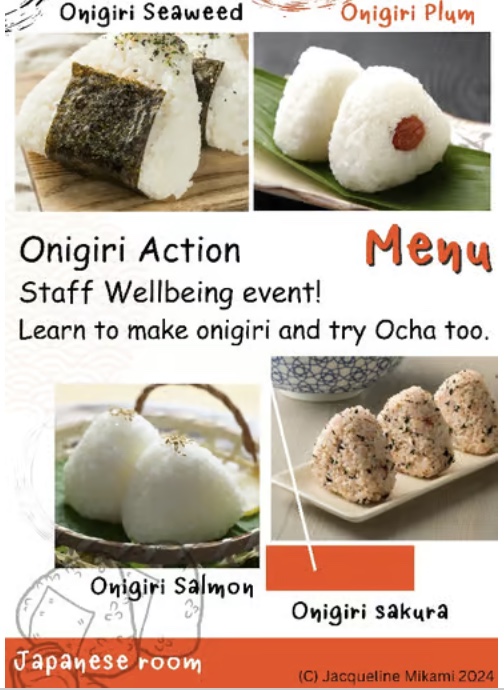
Let’s look beyond our borders for inspiration. Japan, for example, has a long-standing tradition of prioritising staff wellbeing. One example is the concept of “Onigiri Action.” This practice involves colleagues gathering to prepare and share delicious onigiri (rice balls). This simple act fosters a sense of community, provides a break from routine tasks, and nourishes both body and spirit.
Research indicates that the well-being of teachers significantly affects student success. Prioritizing your own well-being is not selfish, but rather an essential investment in your students’ future.
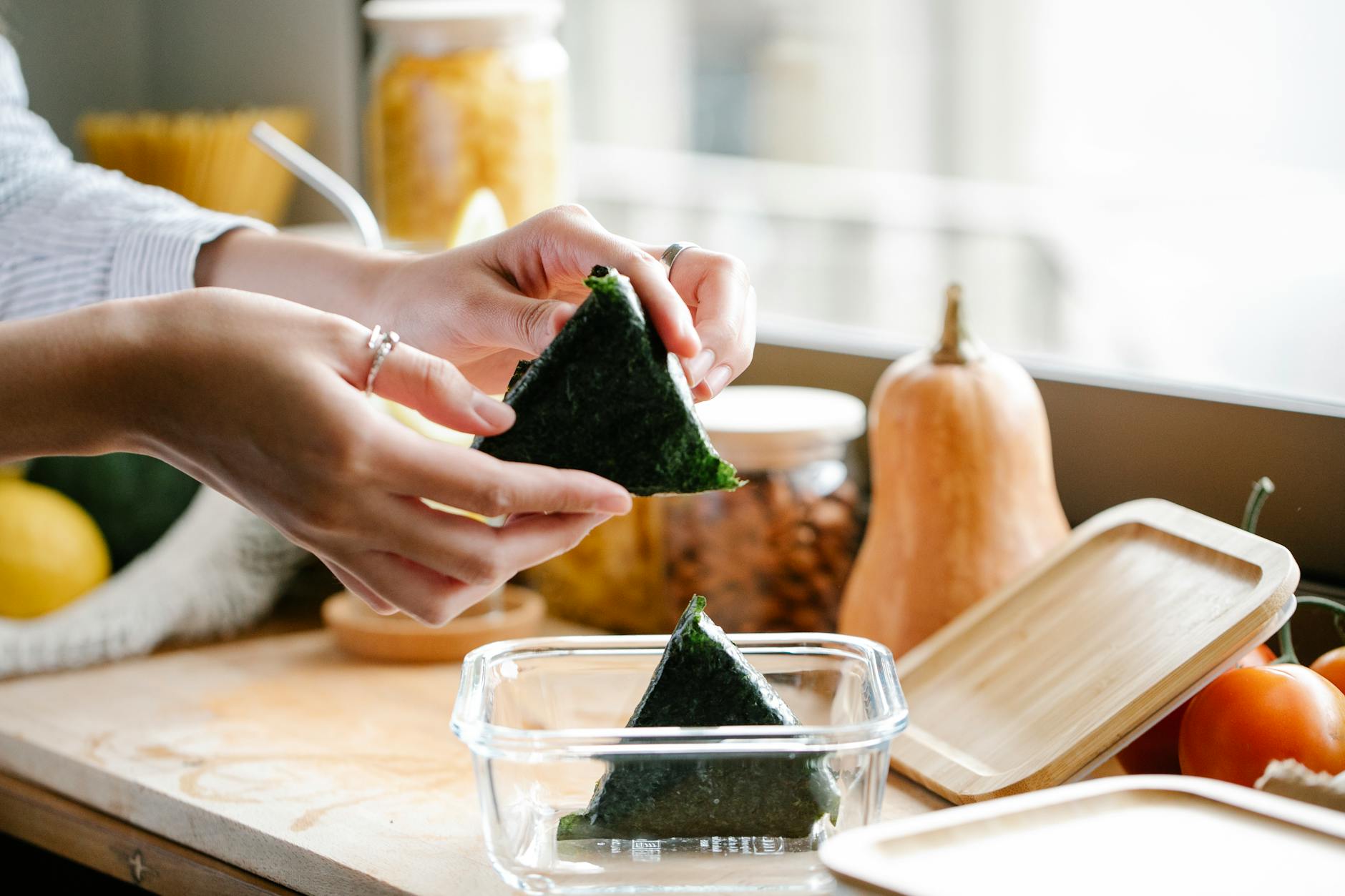
Onigiri Action Event
- Gather the teachers: Choose a time that works for most teachers.
- Prepare the ingredients: Decide on fillings (tuna mayo, pickled vegetables, salmon) and gather basic supplies (rice, seaweed wrappers, bowls).
- Get creative: Encourage teachers to personalise their onigiri with different fillings and shapes.
- Enjoy the process: While preparing onigiri, have light conversations, share stories, and take a break from the daily grind.
- Savor the results: Enjoy the delicious food together and celebrate the power of community.
This is just a starting point—get creative and adapt it to your school’s culture. If you love this idea, you can buy my Wellbeing poster and planner (edit the details in Canva) on TpT.
Japanese: Staff Wellbeing Onigiri Action Event and Guide with Recipe
The Staff Wellbeing Onigiri Action event pack includes 3 pages. These pages are a poster, an outline, and a recipe.
Click the image or HERE to buy now.
Teacher wellbeing is not a luxury; it’s a necessity. We can create a school environment where educators feel supported, valued, and empowered to do their best work. We achieve this by utilising these strategies and drawing inspiration from practices like “Onigiri Action.” Remember, a happy teacher fuels a thriving school community!
In Japan, sharing a simple meal like onigiri fosters connection and nourishes both body and spirit.



 Japanese Sensei Garden